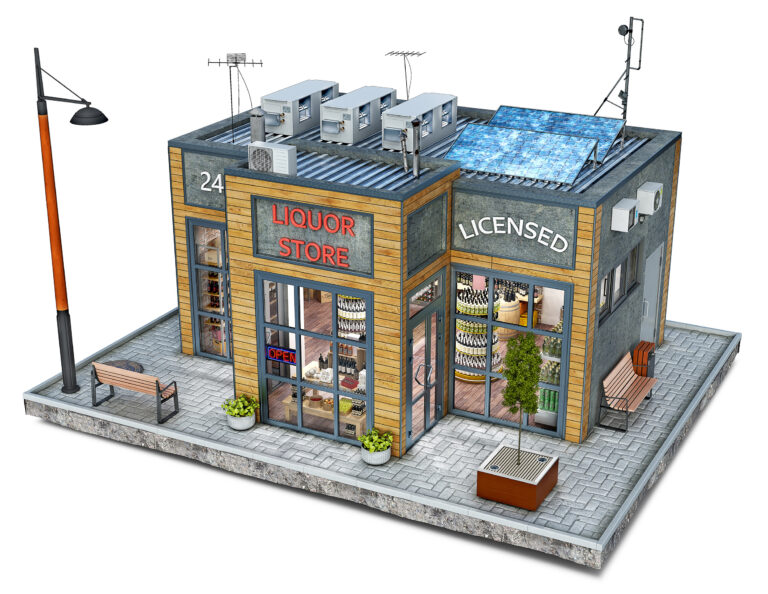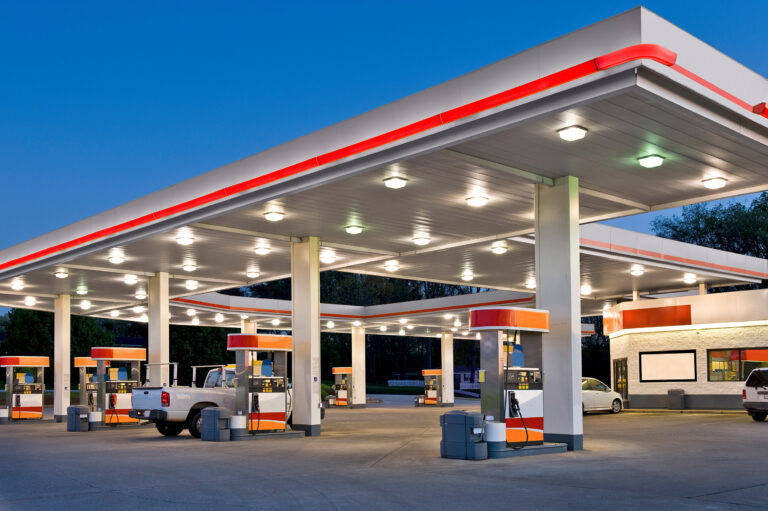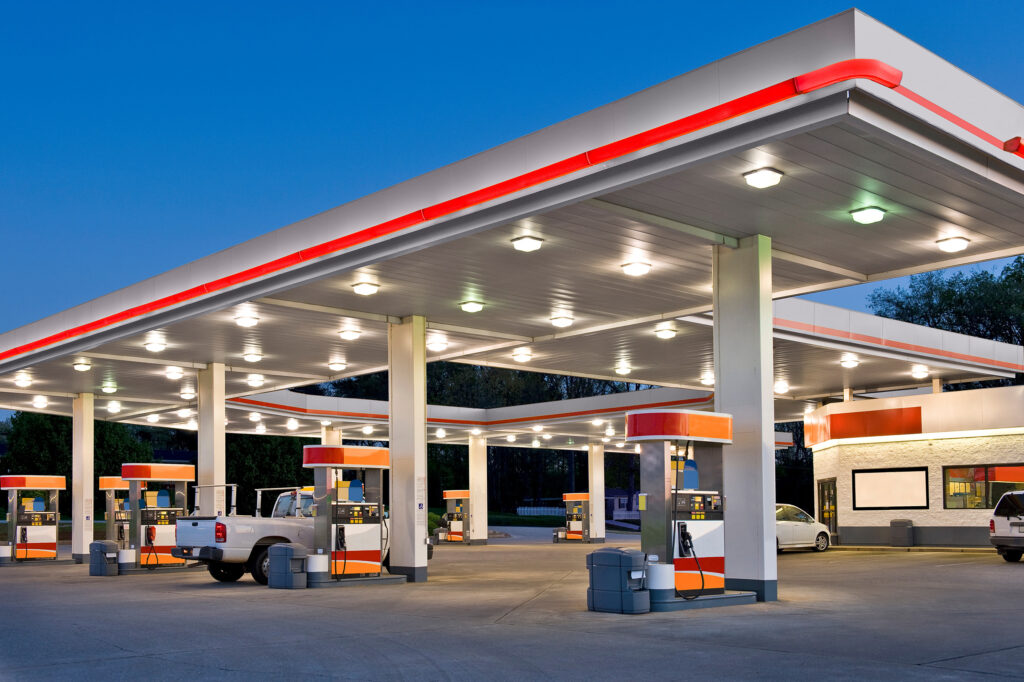
Buying a gas station or market in Michigan is rarely one purchase. It usually means buying a piece of real estate, an operating business, a liquor license and, often, the right to sell lottery tickets. Each of those has its own paperwork and its own approvals, and a gap in any one of them can hold up the whole deal. This checklist walks through what buyers should look at before they sign.
Reading time: about 6 minutes
In this article
Start with what you're actually buying
Before anything else, be clear about what the deal includes. Some sellers sell the business assets: the inventory, the equipment, the goodwill and the right to operate. Others sell the company itself, by transferring its stock or membership interests. The two are structured differently, they carry different risks, and they can affect how licenses are handled.
Also confirm whether the property is part of the sale or whether you will be leasing it. Many gas stations and markets are sold as a package of land, building and business, but not all are. Whatever the answer, it should be spelled out in the purchase agreement.
Check the licenses early
Liquor licenses in Michigan are issued by the Michigan Liquor Control Commission (MLCC). Gas stations and markets that sell packaged beer and wine typically hold a Specially Designated Merchant (SDM) license, and those that sell packaged spirits hold a Specially Designated Distributor (SDD) license. A license belongs to a particular licensee, so it does not simply pass to a buyer with the keys. The new owner generally has to apply, and the Commission has to approve the change.
In many cases the city, village or township where the store is located also has a say. Local approval is a separate step that can run alongside, or in sequence with, the state process.
If the store sells lottery products, the Michigan Lottery has its own retailer licensing, and a change of ownership usually means a new application. We cover the basics on our lottery licensing page. The point for buyers: do not assume any license comes with the business. Ask early, and write the licensing steps into the purchase agreement as conditions of closing.
Do your due diligence
Due diligence is where you check that the business is what the seller says it is. A buyer's list commonly includes:
Financial records: tax returns, profit and loss statements and sales reports for fuel, merchandise and any lottery or liquor sales
Contracts: fuel supply and branding agreements, equipment leases, vendor agreements and any service contracts that would transfer to you
Licensing and compliance history, including any past MLCC violations or open matters
Environmental questions: fuel storage tanks raise environmental issues that deserve a review by a qualified professional before you commit
Equipment and building condition, permits and zoning for the current use
Employees, inventory and any liens or debts attached to the business
Get the property or lease right
If you are buying the real estate, you will want a title review and a survey, and a clear understanding of any easements or restrictions. If you are leasing, read the lease for the permitted use, the term, renewal rights, who pays for repairs and what happens if your license is delayed. A lease that does not account for the licensing timeline can leave you paying rent on a store you cannot yet operate the way you planned. See our pages on commercial leases and real estate transactions.
Plan the closing around the approvals
Because the property, the business and the licenses each move on their own schedule, the order of events matters. A common problem is a closing date set before the approvals are in hand. A purchase agreement should say what happens if a license is delayed or denied, who bears the cost of the delay, and whether you can walk away.
Work backward from the date you want to open. Build in time for the license applications and local approval, and do not assume you can begin selling regulated products until the proper authorization is in place. Our business transactions team can help you sequence those steps.
Frequently asked questions
Can I keep selling beer and wine as soon as I buy a gas station?
Not automatically. A liquor license generally does not transfer to a new owner just because the business was sold. The new owner usually has to apply, and approval is needed before selling under that license. Talk to a lawyer early about how to handle the period between closing and approval.
Does the lottery license come with the store?
Usually the new owner needs to apply for its own Michigan Lottery retailer license. Requirements can change, so check the current process with the Lottery and plan for the application as part of the deal.
When should I involve a lawyer?
Before you sign. Purchase agreements, leases and license conditions are much easier to negotiate than to fix after they are signed.
Thinking about buying or selling a gas station or market? Schedule a consultation or call 248-948-1500, and send us the purchase agreement before you sign.